


White hat SEO means optimizing a website while strictly following the guidelines of search engines such as Google. It focuses on building a website that delivers real value to users, rather than trying to trick an SEO algorithm. The core idea behind white hat SEO is helping a website answer questions or solve problems for searchers as effectively as possible. For example, if someone searches for “what is white hat SEO,” the page should explain the topic fully, covering the meaning, the principles, and the methods, instead of simply repeating a keyword over and over. This approach also lines up with the direction Google has been taking, since its algorithms are becoming better at understanding people rather than just matching keywords. As a result, websites that genuinely prioritize quality tend to come out ahead in the long run.

White Hat SEO is the practice of optimizing a website in full compliance with search engine guidelines, particularly those set by Google. Rather than attempting to manipulate algorithms, White Hat SEO focuses on creating genuine value for users. Its core principle is to ensure that a website provides the best possible answers to users’ questions or solves their problems effectively.
For example, if someone searches for “What Is White Hat SEO?”, the website should provide a comprehensive explanation, covering its definition, principles, benefits, and best practices not simply repeat the target keyword throughout the page.
This approach also aligns with Google’s ongoing efforts to develop algorithms that better understand user intent and content quality rather than relying solely on keyword matching. As a result, websites that prioritize high-quality, user-focused content are more likely to achieve sustainable search rankings and long-term SEO success.
Content should not just exist; it needs to be good enough that people want to read it to the end and find what they were actually looking for. That means the writing has to stay on topic, offer useful information, remain easy to follow, and avoid unnecessary padding. When readers get their answer or solve their problem right away, they tend to spend more time on the page, which sends a positive signal to Google that the content is valuable, something that influences rankings over time.
Examples of quality content include:
The more valuable the content, the longer users stay on the page, which sends a positive ranking signal to search engines. Even small details, such as clear formatting and short paragraphs, can make a noticeable difference in how long a visitor stays.
A phrase like white hat SEO should appear in the right places, but never be stuffed in so heavily that it feels unnatural, since that can make content harder to read and hurt rankings. The simplest approach is to write for the reader first, then adjust for search engines afterward, keeping sentences smooth and easy to understand while placing keywords in important spots such as the title, the headings, and the opening paragraph. This approach helps both readers and Google’s algorithm understand the content better without it being flagged as spam. Keywords are typically placed in:
Spreading keywords out in a balanced way helps Google understand the content without treating it as spam, which is a core habit behind any effective SEO strategy.
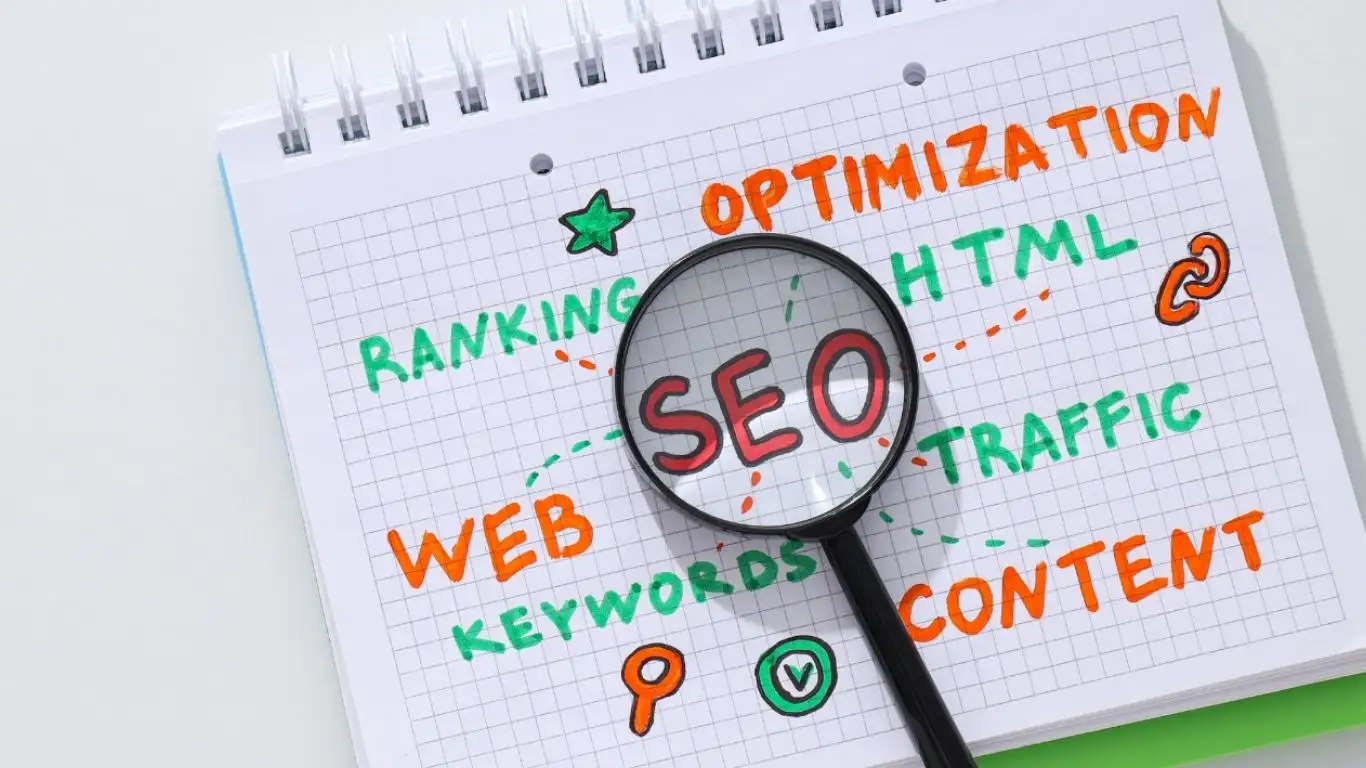
A well-organized structure makes it easier for both users and search bots to understand a website. Content should be arranged logically, headings (H1 through H3) should be used correctly, URLs should be short and descriptive, and internal links should connect related articles. Beyond that, images need alt text, and the site itself should load quickly and work well on mobile, so both visitors and Google’s algorithm can access and evaluate the content efficiently. Key elements include:
These elements improve both rankings and the overall user experience, and they form the backbone of solid on-page optimization work.
A backlink works like a vote of confidence from another website pointing back to yours. The more links you earn from trustworthy, relevant sources, the more credible your site looks in Google’s eyes. The goal isn’t the number of links but their quality, such as links from sites with genuinely related content or ones that reference something useful you published. It takes more time, but it delivers stable, safe results over the long run. Good links tend to come from:
Google increasingly weighs how people actually behave on a page, including:
If a website is easy to use, comfortable to read, and fast to load, visitors are more likely to stick around, which helps rankings improve, another quiet driver of stronger long-term results.
Start by understanding what people are actually searching for. Example keywords worth targeting include:
Choose terms that get meaningful search volume without excessive competition.
Before writing, map out a clear structure, laying out the content in a logical sequence. A solid outline keeps content from feeling scattered, makes it easier to read, and helps both readers and Google’s algorithm follow the content clearly, which directly affects rankings. A typical outline includes:
A strong outline keeps the content complete, easy to read, and on topic.
Writing content for white hat SEO should focus on value rather than volume, meaning you don’t need to write a lot, just enough to genuinely answer what searchers are looking for. The content should explain things clearly, stay on point, and provide useful information. Things worth doing include:
Strong content builds trust with both readers and Google, reinforcing why this strategy pays off over time.
After finishing your content, complete your On-Page SEO optimization by placing your target keyword in the title, headings, and opening paragraph. Write a compelling meta description, add internal links to relevant articles, organize your heading structure correctly, include descriptive alt text for images, and ensure your website loads quickly and is mobile-friendly. Effective website optimization at this stage helps both users and Google better understand your content, improving its chances of ranking higher in search results.
Completing these steps makes your content more search engine-friendly and increases its potential to rank higher on Google.
SEO isn’t just about waiting for people to search; content also needs a push to reach more people. Useful channels include social media, Facebook groups, or online forums, which increase visibility and the chance of earning traffic, while also signaling to Google that the content has real value and is genuinely being used. Channels worth trying:
The more people who see the content, the greater the chance of earning backlinks.
Websites built around genuine knowledge sharing, such as blogs or review sites, tend to see strong results with this approach, because the content actually answers what users are looking for, with information that is complete and easy to understand. Many of these sites started small, publishing only a handful of articles, before gradually expanding their coverage as traffic and trust grew. When users find the answer they need, they’re more likely to stay longer and come back again. Over time, an article gradually builds up traffic and climbs in rankings without depending on risky shortcuts, which lines up with Google’s own emphasis on quality content and a good user experience, allowing a website to grow steadily over the long term.

The biggest strength of white hat SEO is the stability and trust it builds over time. Websites that follow Google’s guidelines tend to hold onto their rankings consistently, without the ups and downs that come from riskier techniques. It also lowers the chance of being penalized or having rankings dropped, since everything is done according to the rules. On top of that, it helps build a brand that feels trustworthy in users’ eyes, because the content is genuinely useful and high quality. This translates into better-quality traffic, meaning visitors who are actually interested in the content and more likely to become customers or long-term followers. Over time, this steady stream of relevant visitors also tends to improve conversion rates compared with traffic pulled in through short-lived, aggressive tactics.
Although White Hat SEO provides long-term sustainability, it also has some limitations. Results typically take time to become visible because higher rankings depend on consistently building high-quality content and establishing website authority. It also requires patience, discipline, and ongoing optimization.
For this reason, some website owners become discouraged and turn to Gray Hat SEO in hopes of achieving faster results. However, these techniques carry significantly higher risks and may lead to search engine penalties or even removal from search results in the future.

Although White Hat SEO prioritizes long-term sustainability, it is still possible to accelerate results with the right strategy. A good starting point is targeting long-tail keywords—more specific search queries that typically have lower competition and better match user intent, making them easier to rank for.
Creating niche content is another effective approach. By focusing on a specific topic or industry, your website can establish topical authority and be recognized as a trusted source of expertise. Over time, this increases the likelihood of ranking for a wider range of related keywords.
Another proven strategy is to regularly update existing content. Refreshing older articles with new information, improving their structure and readability, and incorporating relevant keywords can significantly enhance their search performance. This is a common practice used by professional SEO agencies to improve website rankings, maintain content relevance, and achieve sustainable long-term growth.
White Hat SEO is an SEO approach that prioritizes high-quality content, accurate information, and an excellent user experience while following Google’s guidelines and best practices. Although it may not deliver immediate results like some alternative techniques, its greatest advantage is long-term stability and sustainability. Over time, a website gradually builds credibility, authority, and stronger search rankings.
For businesses seeking sustainable growth and high-quality organic traffic, White Hat SEO is one of the safest and most worthwhile long-term strategies. This is why leading digital marketing agencies recommend it as the foundation of a successful SEO strategy helping businesses achieve lasting results and increasing their chances of ranking on Google’s first page safely and sustainably.
White hat SEO means optimizing a site strictly according to Google’s guidelines, focusing on quality content, genuinely useful information, and a strong user experience. It matters because it helps a website grow steadily, lowers the risk of penalties from search engines, and builds long-term credibility, encouraging users to return and trust the brand more.
It usually takes around three to six months before results become clearly visible, depending on factors like keyword difficulty, site quality, and how consistently new content gets produced and published. With ongoing improvements, rankings tend to rise naturally, and results are typically more durable than what comes from riskier, faster techniques.
Suitable content genuinely addresses what searchers are looking for, offering real depth, completeness, and clarity throughout. It should have a clear structure, using subheadings, well-organized paragraphs, and keywords placed naturally rather than forced in awkwardly. Copying or repeating content should be avoided so the website stays credible and useful to readers.
Backlinks still matter, but this approach prioritizes quality over quantity. Links should come from trustworthy websites related to your subject matter. Earning backlinks naturally, for instance because your content is good enough that others reference it, builds credibility and supports long-term rankings without risking penalties from search engines that punish manipulative link schemes.
Beginners should start with keyword research to understand what people are searching for, then build a clear content outline before writing quality material that truly answers the query. Alongside that, optimize on-page elements like the title, meta description, and site structure, then focus on promoting content and building backlinks naturally.
Discover more insights on SEO, social media, and web design—read our latest digital marketing articles from Bangkok, Thailand.