
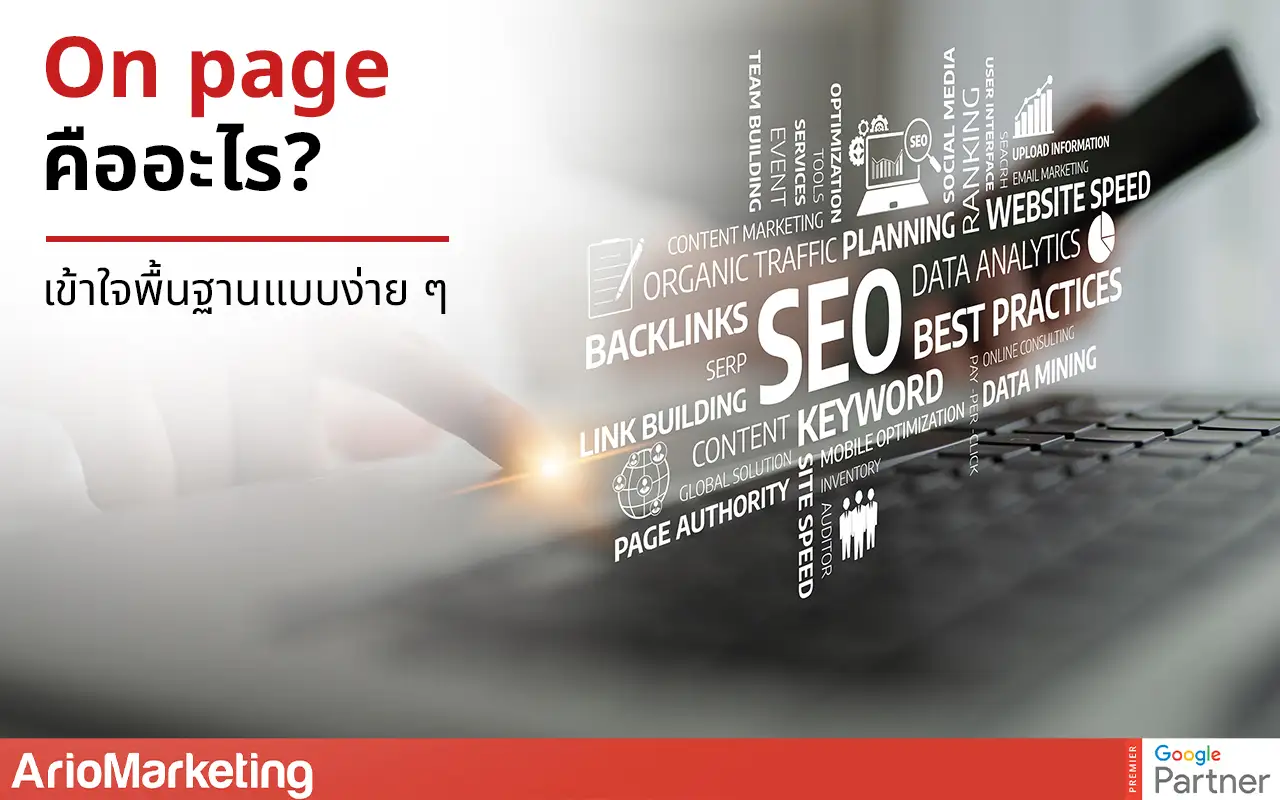
In today’s competitive online landscape, ranking on Google requires more than just high-quality content. A successful SEO strategy also depends on how well a website is structured and optimized. This is where On Page SEO plays an important role. Elements such as page structure, content organization, headings, internal links, metadata, and user experience help search engines understand a webpage while making it easier for visitors to navigate. When these on-page factors are properly optimized, they can improve visibility, enhance user engagement, and support long-term SEO success. Understanding and implementing On Page SEO is essential because it creates a strong foundation for achieving better search rankings and sustainable website growth.
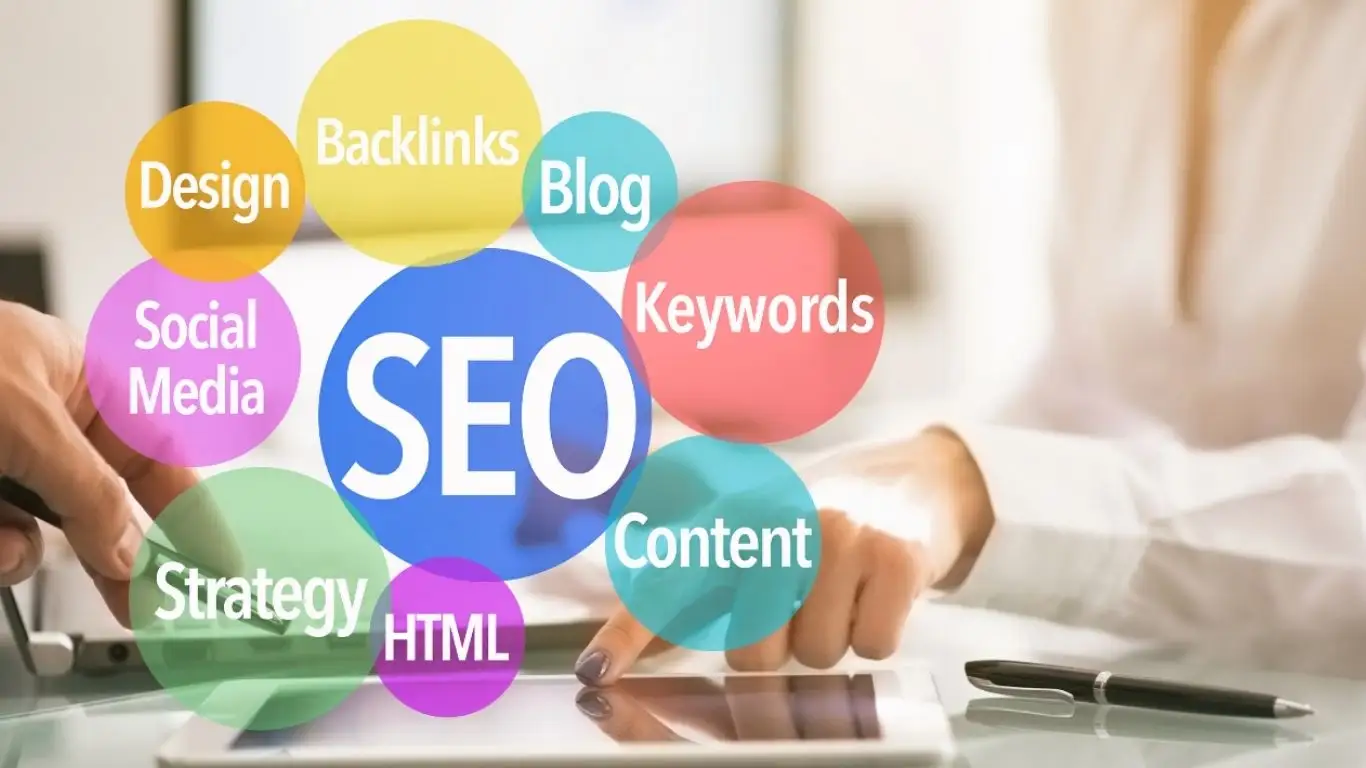
On-Page SEO is the process of optimizing elements within a website to improve both user experience and search engine understanding. This includes organizing content, creating a clear page structure, using keywords naturally, optimizing titles and headings, and improving page speed. When implemented correctly, On-Page SEO helps visitors find information more easily while allowing Google to better analyze and rank webpages. As a fundamental part of SEO, it provides a strong foundation for improving search visibility and overall website performance.
When people ask, “What is On Page SEO?”, many assume it is simply about adding keywords to content. In reality, website optimization involves a wide range of elements, including:
All of these elements together form the core of website optimization and a well-structured website architecture.

Google analyzes the information on a webpage to understand its topic and purpose. Proper On-Page SEO helps search engines interpret and categorize content more accurately, increasing the likelihood of appearing in relevant search results.
A well-optimized website provides clear signals about its relevance and quality. By implementing strong On-Page SEO from the start, businesses can improve their chances of achieving higher rank on Google.
On Page SEO helps organize content with a clear structure, headings, and formatting. This makes information easier for visitors to read, understand, and navigate.
A fast-loading and easy-to-read website encourages visitors to stay longer and reduces the bounce rate, which is a positive signal for both users and search engines.
A professional website with organized content and a user-friendly layout appears more trustworthy. This can encourage visitors to return, interact with more content, and view the website as a reliable source of information.

The title tag is one of the most important On-Page SEO elements. It should include the focus keyword, such as “what is on-page seo,” while remaining clear, concise, and engaging. A well-written title helps users and search engines understand the page topic and can improve click-through rates from search results.
Headings help organize content into a clear and logical structure. Using H1, H2, and H3 tags correctly makes content easier to read while helping search engines understand the hierarchy and relevance of different sections.
High-quality content should provide valuable information and answer user questions effectively. Keywords should be incorporated naturally throughout the content without overuse. Comprehensive and relevant content is more likely to satisfy search intent and perform well in search rankings.
ควรสั้น กระชับ และมี keyword URL ที่ดีควรอ่านเข้าใจได้ง่าย ไม่ซับซ้อน และบอกได้คร่าว ๆ ว่าหน้านี้เกี่ยวกับอะไร ซึ่งช่วยทั้งด้านการจัดอันดับและประสบการณ์ผู้ใช้
URLs should be short, descriptive, and easy to understand. Including relevant keywords can help both users and search engines quickly identify the topic of the page.
A meta description is a brief summary that appears in Google search results. Although it does not directly impact rankings, a compelling and relevant description can encourage more users to click on the page.
Images should be relevant to the content and include descriptive Alt Text. This helps search engines understand image content, improves accessibility, and enhances the overall user experience.
To optimize a website effectively, start with these fundamental practices:
Once the basics are in place, these strategies can further improve your SEO:
These techniques are commonly used by a professional SEO company to help websites achieve stronger rankings and better user engagement.
Using keywords excessively can make content sound unnatural and difficult to read. It may also harm the credibility of the website and negatively affect SEO performance.
Thin content often fails to provide enough information to satisfy user intent. Search engines generally prefer comprehensive content that answers questions thoroughly and delivers real value.
Without proper use of H1, H2, and H3 headings, content becomes difficult to read and understand. A clear structure helps both users and search engines navigate information more effectively.
Failing to add a meta description can reduce click-through rates because users may not see a compelling summary of the page in search results, even if the page ranks well.
SEO optimization within a website focuses on improving elements that are directly controlled on the site, including content, page structure, design, metadata, and other factors that enhance both visibility and user experience. Off Page SEO focuses on activities outside the website, such as building backlinks, earning brand mentions, sharing content on external platforms, and strengthening website authority across the web. Both on-site and off-site optimization are important for achieving higher search rankings. However, improving a website’s internal structure and content should come first, as a strong foundation is essential before external SEO efforts can deliver their maximum impact.

To ensure effective website optimization, it is important to review the fundamental elements of every webpage before publishing. This helps maintain both content quality and technical performance while improving the overall user experience and search engine visibility.
The title should contain the primary keyword and clearly describe the page content. This helps both Google and users quickly understand what the page is about.
The H1 tag serves as the main heading of the page. There should only be one H1 per page, and it should accurately reflect the overall topic of the content.
Content should provide comprehensive, valuable, and trustworthy information that satisfies user intent. Avoid creating content solely for search engines or keyword placement.
Keywords should be incorporated naturally throughout the content without overuse. Proper keyword placement helps search engines understand the topic while maintaining a positive reading experience.
Images should be relevant to the content and include descriptive Alt Text. This helps Google understand image content and improves website accessibility.
URLs should be simple, descriptive, and relevant to the page topic. A clear URL structure improves usability and SEO performance.
Page speed plays a significant role in both user experience and search rankings. Websites should load quickly and provide smooth navigation across all devices.
In simple terms, SEO optimization within a website involves improving all on-site elements to help both users and search engines better understand the content. This includes website structure, content organization, keyword usage, page formatting, metadata, and other factors that contribute to overall website performance. When these elements are optimized correctly from the beginning, a website becomes easier for search engines to crawl and understand, increasing its potential to rank higher in search results. At the same time, visitors benefit from a smoother and more user-friendly experience. For this reason, a digital marketing agency often focuses on optimizing a website’s foundation before implementing other marketing strategies. A well-structured website reduces the need for future revisions and supports more effective SEO and promotional efforts over the long term.
On Page SEO refers to the optimization of all elements within a webpage to improve its performance for both users and search engines. This includes content, heading structure (H1–H3), URLs, images, metadata, and strategic keyword usage. The goal is to create pages that are easy to read, easy to understand, and clearly communicate their purpose to Google. Proper On Page SEO can improve rankings and encourage users to spend more time on a website.
On Page SEO is one of the most important foundations of SEO because it involves elements that website owners can directly control. Well-structured content and optimized page elements help Google understand the context and relevance of a webpage more accurately. At the same time, users benefit from a better experience, which can reduce bounce rates and support long-term ranking growth.
Yes. Every page contributes to the overall performance of a website. If some pages are not properly optimized, search engines may struggle to understand the site’s full content structure. Additionally, overlooked pages may represent missed opportunities to rank for valuable keywords. Optimizing every page strengthens the website as a whole.
On Page SEO focuses on elements within a website, such as content, structure, metadata, and user experience. Off-Page SEO focuses on external factors, including backlinks, social sharing, brand mentions, and other signals that build authority and trust. While On Page SEO improves relevance and usability, Off-Page SEO strengthens credibility. Both are essential for achieving strong search rankings.
The first step is keyword research to understand what users are searching for. Next, create a clear content structure using H1, H2, and H3 headings, and develop content that provides genuine value. After that, optimize the title tag, meta description, URL structure, images, and Alt Text to ensure all on page elements work together effectively. Establishing these fundamentals creates a strong foundation for future SEO success.
Discover more insights on SEO, social media, and web design—read our latest digital marketing articles from Bangkok, Thailand.